Sugar-Free Yellow Cake Mix: Recipes and Baking Tips
Table of Contents
Looking for sugar-free yellow cake mix ideas? This guide covers ingredient labels, baking substitutions and ways to customize a yellow cake. A product labeled sugar-free can still contain starches and other carbohydrates, so check the package’s total carbohydrate information and serving size when planning a dessert.
Choosing a sugar-free yellow cake mix starts with reading the ingredient list and Nutrition Facts panel. Sugar-free does not automatically mean low in carbohydrates or calories, and the right choice depends on the entire recipe and individual dietary needs. For practical guidance on carbohydrates and sweeteners, see the American Diabetes Association’s carbohydrate guide.
Understanding Sugar-Free Yellow Cake Mix Basics
Exploring sugar-free baking is a fun journey, especially with yellow cake mixes. To make great sugar-free cakes, knowing the key ingredients and tips is crucial.
Common Sugar Substitutes for Baking
For sugar-free desserts, you can choose from many sweeteners. Sugar alcohols like erythritol, xylitol, and stevia are popular. So are natural low-calorie sweeteners like monk fruit and yacon syrup. They add sweetness without raising blood sugar like regular sugar does.
Essential Low-Carb Flour Options
- Almond flour: It’s versatile and full of nutrients, giving a moist, nutty taste to low carb baking.
- Coconut flour: It’s high in fiber, making keto cake mix recipes light and airy.
- Lupin flour: A new favorite in sugar substitute desserts, lupin flour is rich in protein and low in carbs.
Reading Nutritional Labels
When buying sugar-free baking ingredients, reading labels is key. Look at the carbs and fiber, and watch for hidden sugars. This helps you choose wisely and stick to your diet.
“Understanding sugar-free baking basics is the first step to making tasty, guilt-free treats that curb your sweet tooth.”
| Flour | What to check before baking |
|---|---|
| Almond flour | Compare total carbohydrates and serving sizes across brands; it adds a nutty flavor. |
| Coconut flour | Absorbs substantially more liquid than wheat flour; recipes generally need adjusted ratios. |
| Lupin flour | Check the product label and allergen information; lupin can trigger reactions in some people with peanut allergy. |
Benefits of Choosing Sugar-Free Cake Options
Choosing sugar-free cakes is great for those who want diabetic friendly treats, healthy cake alternatives, and guilt-free indulgences. These desserts let you enjoy cake without the high sugar. It’s a win-win for your taste buds and health.
Replacing added sugar may reduce the amount of added sugar in a cake, but it does not guarantee a smaller blood-glucose response. Flour, starches, toppings and portion size also contribute carbohydrates; people managing diabetes should use the complete nutrition label and their individual care guidance.
Likewise, a sugar-free cake is not necessarily lower in calories. Compare the calories, total carbohydrates and serving size of the finished dessert rather than assuming that the absence of added sugar makes it a lower-calorie choice.
“Choosing sugar-free cake options allows you to savor the sweetness of life without the drawbacks of excess sugar.”
Sugar-free cakes are also great for people with special diets. They fit into many diets, like keto or low-carb, and let everyone enjoy cake without hurting their health goals.
Choosing sugar-free cakes can really improve your health and happiness. They let you enjoy sweet treats while keeping your blood sugar in check, eating fewer calories, and feeling good about your choices.
Essential Ingredients for Perfect Sugar Free Yellow Cake Mix
Making a delicious sugar-free yellow cake mix needs careful thought. You need the right sugar substitutes, flour blends, and binding agents. Each one is crucial for the perfect taste and texture.
Best Sugar Alternatives for Baking
Choosing the right sweetener is key in sugar-free baking. Try erythritol, xylitol, or stevia for sweetness without sugar. These options are sweet and have less impact on blood sugar.
Flour Combinations That Work
The base of your mix is the flour blend. Almond flour and coconut flour are good choices for low-carb baking. Mix them well to get a moist and tender cake. Find the right mix for your taste and diet.
Must-Have Binding Agents
Binding agents like eggs, xanthan gum, or psyllium husk are essential. They help the mix stick together and prevent crumbling.
With the right mix of sugar substitutes, flours, and binding agents, you can make a sugar-free yellow cake mix. It will taste and feel just like the traditional version.
Quick and Easy Sugar-Free Yellow Cake Mix Recipe
Fastest method: Use a packaged sugar-free yellow cake mix and follow the exact amounts of eggs, oil or other fat, and water or milk printed on your brand’s box. Sugar-free mixes do not all use the same formula. The method below is an adaptable box-mix guide, not a separately tested cake recipe.
What you need
One box of sugar-free yellow cake mix; the eggs, liquid, and fat required by that specific package; an appropriate cake pan; and optional vanilla extract, a little lemon zest, or cinnamon. Check the label for allergens and total carbohydrates per serving. Sugar-free does not mean carbohydrate-free, keto, or suitable for everyone with diabetes.
Step-by-step box-mix method
- Heat your oven to the temperature given on the package and prepare the pan size it recommends.
- Measure the complete mix and its required liquid, eggs, and fat. Do not add large amounts of almond or coconut flour to an existing box mix without a recipe specifically developed for those additions.
- Mix according to the package’s instructions. If you want a flavor variation, add a small amount of vanilla, cinnamon, or finely grated citrus zest without dramatically changing the liquid balance.
- Bake for the time specified on the box, checking near the earliest suggested time for a set center and a toothpick without raw batter.
- Cool the cake fully before adding a frosting appropriate for the intended dietary needs. Check frosting labels too: even sugar-free options can contain carbohydrates.
For a sugar-free yellow cake made entirely from scratch, choose a recipe formulated and tested around a particular sweetener rather than assuming a one-for-one sugar replacement will work. In most cakes, sugar affects moisture, browning, and structure as well as sweetness.
Keto-Friendly Yellow Cake Mix Variations
Important: A packaged sugar-free yellow cake mix is not necessarily low-carb or keto-friendly. Most mixes contain flour or starch. Swapping in almond or coconut flour can substantially change the texture and the amount of liquid needed, so use a purpose-developed low-carb cake formula if a ketogenic ingredient profile matters.
Almond Flour Version
Almond flour is a great choice for keto baking. It’s full of healthy fats, fiber, and protein. When using almond flour in a yellow cake mix, you might need to tweak the recipe for the right texture and rise.
Coconut Flour Alternative
Coconut flour is another excellent low-carb option for baking. It’s rich in fiber and has a sweet flavor that goes well with yellow cake. But, coconut flour absorbs more liquid than almond flour, so adjust the wet ingredients carefully.
Mixed Nut Flour Option
Try mixing almond, cashew, and pecan flours for a unique flavor. This blend can make a moist and nutty yellow cake that’s perfect for keto lovers. Play with the ratios to find your favorite taste.
Choosing the right low-carb flour is key to making a great keto-friendly yellow cake. Pay attention to the ingredient ratios and adjust as needed. With some practice, you’ll make delicious sugar-free cakes that are just as good as the traditional ones.
Decorating and Frosting Your Sugar-Free Cake
Making a sugar-free cake look good and taste great is simpler than you think. By trying out sugar substitute desserts and guilt-free indulgences, you can make healthy cake alternatives that are sweet without the sugar. Let’s explore decorating and frosting your sugar-free cake.
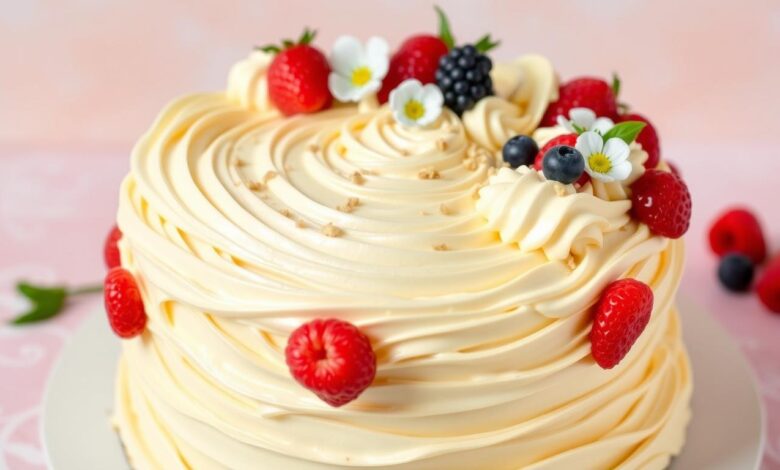
Finding the right frosting is key to a great sugar-free cake. You can change traditional frostings by using sugar substitutes. Try erythritol, stevia, or monk fruit sweetener for sweetness and creaminess.
Here are some decorating tips:
- Piped buttercream or cream cheese frosting designs
- Fresh fruit or berries for a pop of color and natural sweetness
- Toasted nuts or shredded coconut for a crunchy texture
- Edible flowers or herbs for a touch of elegance
- Drizzles of sugar-free chocolate or caramel sauce
With creativity and the right sugar substitute desserts, your sugar-free cake can be stunning and guilt-free. Your guests will love it.
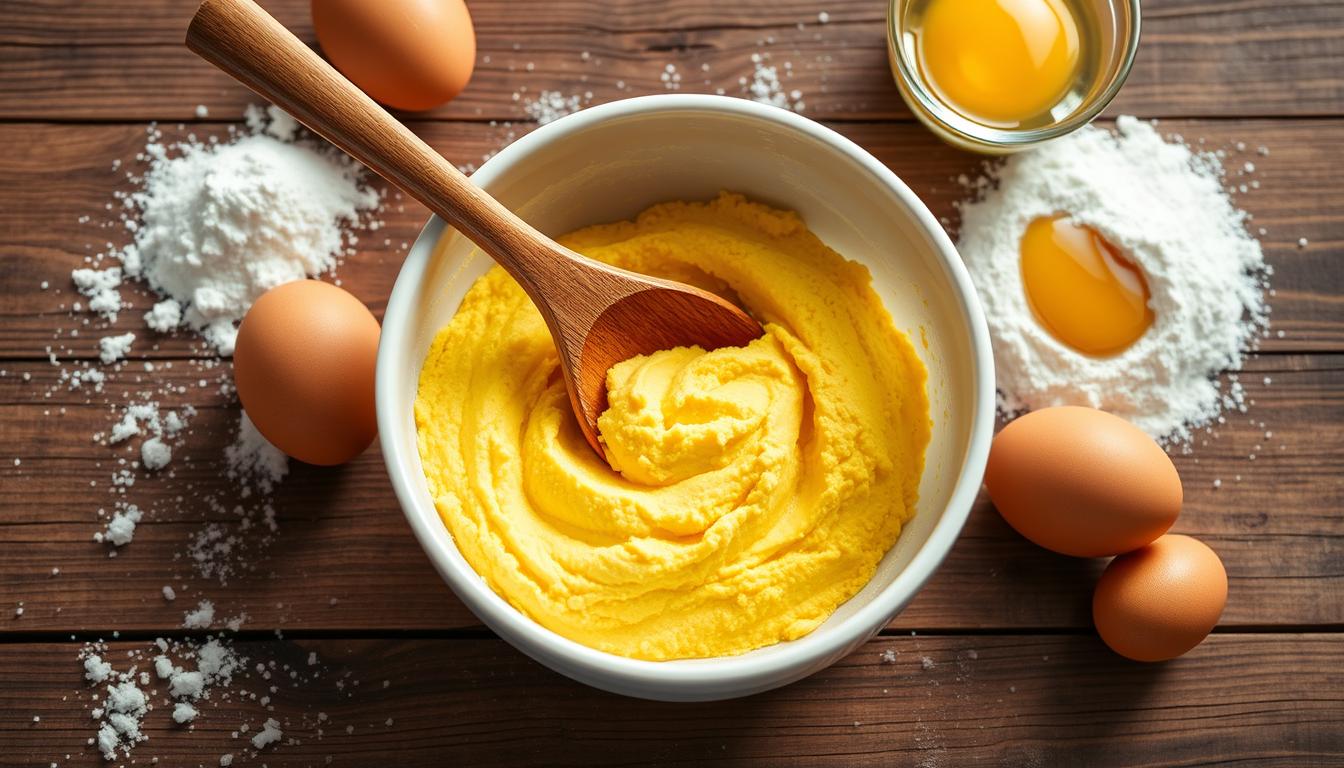
Remember, decorating a sugar-free cake is all about experimenting and having fun. By trying healthy cake alternatives, you can make a dessert that’s sweet and fits your diet.
Troubleshooting Common Sugar-Free Baking Issues
Starting with low carb baking and gluten-free desserts can be exciting. But, dealing with sugar-free yellow cake mix recipes can be tricky. Don’t worry! We’ve got tips to help you solve common problems.
Texture Problems and Solutions
Getting the right texture is a big challenge in sugar-free baking. Without sugar, cakes can turn out dense or crumbly. To fix this, mix low-carb flours like almond and coconut flour for a softer cake.
Also, using eggs, psyllium husk, or xanthan gum can help. These ingredients improve the cake’s structure and feel.
Moisture Balance Tips
Keeping the right moisture is key for a great sugar-free yellow cake mix. Without sugar, cakes can dry out. To keep them moist, add ingredients like Greek yogurt, applesauce, or pureed fruit.
Also, watch how long and at what temperature you bake. This prevents your cake from drying out too much.
Storage Recommendations
Storing your low carb baking creations right is important. Keep your gluten-free dessert in an airtight container at room temperature for 3 days. For longer storage, wrap it tightly and freeze for up to 2 months.
When you’re ready to eat it, thaw it in the fridge overnight. This way, your cake stays fresh and delicious.
By tackling these common sugar-free baking issues, you’ll make moist, tasty, and beautiful sugar-free yellow cake mix treats. They’ll make your taste buds happy and satisfy your sweet tooth.
Adapting Traditional Recipes to Sugar-Free Versions
Do you miss the taste of your favorite cakes and desserts but want a healthier option? You can make tasty sugar substitute desserts, diabetic friendly treats, and healthy cake alternatives by tweaking old recipes. Just a few changes can let you enjoy sweet treats without the blood sugar rise.
For sugar-free baking, it’s all about finding the right mix of sugar substitutes and low-carb flours. Begin by swapping granulated sugar for these alternatives:
- Erythritol
- Stevia
- Monk fruit sweetener
- Xylitol
For flour, try almond, coconut, or a mix of nut flours. They make your baked goods tender and moist, unlike regular flour. Remember to adjust the liquid and baking time for these healthier options.
“By making a few simple swaps, you can enjoy the classic flavors you love while keeping your blood sugar in check.”
With some practice, you can turn your family’s beloved desserts into sugar substitute desserts that taste just as good. Start exploring new ways to satisfy your sweet cravings without sacrificing taste.

Health Benefits of Sugar-Free Baking
Sugar-free baking can help reduce added sugar, but the overall nutrition of a cake depends on all its ingredients, serving size, and preparation. A sugar-free cake mix may still be high in starch and carbohydrates. Read the total carbohydrates on the Nutrition Facts panel, especially if you are managing diabetes.
Glycemic Index Considerations
The glycemic index, or GI, shows how a food affects your blood sugar. Traditional sweets often have a high GI, causing blood sugar to spike and then drop. Sugar-free baking uses low-GI ingredients like almond flour and sugar substitutes.
Blood-glucose responses depend on the complete recipe and portion size. Replacing sugar does not by itself guarantee a lower carbohydrate count or prevent a rise in blood glucose.
Nutritional Advantages
Regular cakes are often full of refined carbs, fat, and added sugars. But sugar-free baking lets you choose better ingredients. Nut flours, for example, are full of good fats, fiber, and vitamins.
Sweeteners like erythritol and stevia add almost no calories. That does not automatically make every sugar-free cake more nutritious: total carbohydrates, fiber, saturated fat, and portion size still matter.
Choosing a sugar-free product is one option for reducing added sugar, but it is worth comparing labels and using portions that fit individual dietary needs.
Special Occasion Sugar-Free Cake Variations
Living sugar-free doesn’t mean missing out on special occasions. Try these sugar free yellow cake mix ideas for different diets. They range from gluten-free to keto-friendly treats.
Planning a birthday, wedding, or holiday party? The right recipe depends on your guests’ dietary preferences and ingredient restrictions. Discover gluten-free dessert and keto cake mix options that will wow everyone.
Festive Holiday Cake
Make your holiday celebrations special with a sugar-free yellow cake. Add cinnamon, ginger, and nutmeg for a unique taste. It’s a dessert that’s both tasty and fits your diet.
Elegant Wedding Cake
Make your wedding cake unforgettable with a sugar-free version. Choose flavors like vanilla or almond. Top it with sugar-free fondant or buttercream for a beautiful, guilt-free treat.
Customizable Birthday Cake
- Make a sugar free yellow cake mix just for someone’s birthday. Try different sweeteners and flours to match their diet.
- Use vibrant, sugar-free frosting and fun toppings to make it unique.
Try these special occasion sugar-free cake ideas to enjoy your favorite flavors while paying attention to ingredients and portions. Get creative, customize, and enjoy the tasty world of keto cake mix and gluten-free dessert options.
Conclusion
Sugar-free yellow cake mixes offer another way to bake a classic dessert, with sweetener and ingredient options that vary by brand. Choose a mix based on its directions and nutrition label; the term sugar-free does not guarantee low carbohydrates or fewer calories.
These recipes range from classic yellow cake to keto-friendly options. They let you enjoy cake and feel good about it. Whether it’s for a special event or a healthier snack, these recipes are perfect for your kitchen.
Try sugar-free baking and discover healthy cake alternatives and guilt-free indulgences. With a few changes, you can enjoy the taste of a sugar free yellow cake mix while paying attention to ingredients and portions. Let your creativity shine in the kitchen.
FAQs About Sugar-Free Yellow Cake Mix
What are the benefits of using a sugar-free yellow cake mix?
What are some common sugar substitutes used in sugar-free baking?
What types of low-carb flours work well in sugar-free yellow cake mixes?
How do I ensure my sugar-free yellow cake turns out moist and flavorful?
Can I adapt my favorite traditional yellow cake recipe to a sugar-free version?
What are some common issues I might encounter when baking with sugar-free yellow cake mix?
Can I use sugar-free yellow cake mix to make keto-friendly cakes?
How can I decorate and frost my sugar-free yellow cake to make it look and taste amazing?
More baking guides: For an ingredient reference, see our cake flour substitute guide. For decorating techniques, our powdered sugar icing guide explains how a conventional sugar glaze works; it contains sugar and is not a sugar-free topping unless you use a separately validated alternative formula.
Share Your Experience with Our Recipe!
There are no reviews yet. Be the first one to write one.