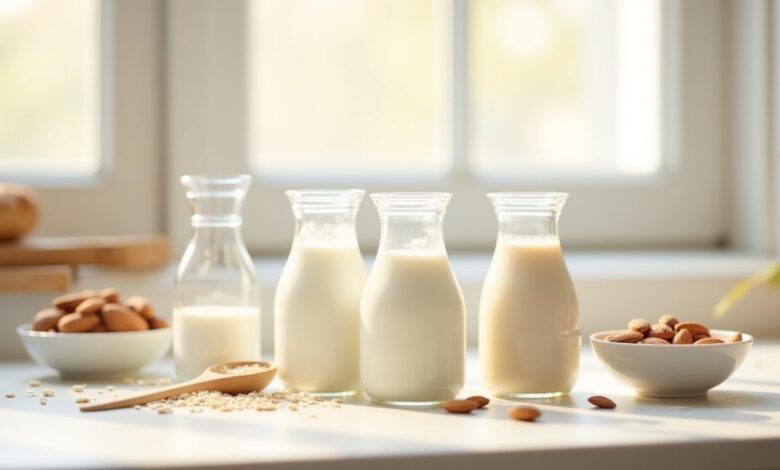
Milk Substitutes for Baking: Best 1:1 Swaps & Chart
Out of milk while baking? In most cakes, muffins, pancakes and quick breads, you can use the same volume of plain, unsweetened soy, oat or almond milk as a substitute for cow’s milk. For example, if a recipe calls for 1 cup milk, start with 1 cup of unsweetened plant-based milk. Soy milk usually comes closest to dairy milk in protein content, although each alternative has its own flavor and effect on texture.
The best milk substitute for baking depends on what the recipe is making. A chocolate muffin or boxed cake mix is forgiving; custard, pastry cream, enriched bread and biscuits can be much more sensitive to protein, fat and acidity. This guide provides a quick table and explains where 1:1 substitutions are reliable—and where they are not.
Quick Answer: Best Substitutes for Milk in Baking
| Substitute | Replace 1 cup dairy milk with | Good starting uses | Important difference |
|---|---|---|---|
| Unsweetened soy milk | 1 cup (240 ml) | Cakes, muffins, yeast bread, some custards | Higher protein; often the closest plant-based functional match |
| Unsweetened oat milk | 1 cup (240 ml) | Cakes, muffins, pancakes, quick breads | May slightly affect sweetness and browning; brand varies |
| Unsweetened almond milk | 1 cup (240 ml) | Cookies, muffins, pancakes, many cakes | Lower protein and often thinner than cow’s milk; contains tree nuts |
| Unsweetened cashew or pea-protein milk | 1 cup (240 ml) | Most cake or quick-bread batters | Varies in protein, viscosity and allergen ingredients |
| Lactose-free cow’s milk | 1 cup (240 ml) | Most recipes calling for regular dairy milk | Contains dairy protein; not milk-allergy safe |
| Evaporated milk | ½ cup evaporated milk + ½ cup water | Many cakes and muffins | Dairy-containing; richer flavor possible; not sweetened condensed milk |
| Half-and-half | ½ cup half-and-half + ½ cup water | Some cakes or muffins in a pinch | Different fat ratio; approximate rather than identical |
| Water | 1 cup only if recipe tolerates it | Some simple pancake/quick-bread batters | Lacks milk fat, protein and sugar; least similar |
Measurement note: US cups are approximately 240 ml. The table gives practical starting swaps for regular cow’s milk in forgiving baked goods, not a universal replacement for buttermilk, sweetened condensed milk, heavy cream, powdered milk, custard or other specialized dairy ingredients.
Why Milk Matters in Baking
Milk is mostly water, but its remaining components matter. Milk proteins help structure and browning, fat contributes richness, and lactose can help the crust develop color. Replacing milk with plain water might provide the right amount of liquid without reproducing the original texture or flavor.
In side-by-side baking tests, King Arthur Baking found soy milk particularly close to cow’s milk in protein and baking performance. Other unsweetened plant milks were workable for many baked goods, but the same report showed bigger differences for custards and pastry cream. That’s why a single conversion ratio cannot cover every dessert.
1. Soy Milk: A Strong All-Around Milk Substitute
Start 1:1: use 1 cup of unsweetened, unflavored soy milk for each 1 cup of dairy milk in most cake, muffin and quick-bread recipes. Soy milk contains appreciable protein and can behave more like dairy milk in certain baking systems. Avoid sweetened vanilla versions when you want a neutral flavor.
Soy contains an allergen, and not every soy beverage has the same added oils or gums. Always check the package if you are baking for people with food allergies.
2. Oat Milk: Mild Flavor for Cakes and Muffins
Unsweetened oat milk is generally a practical equal-volume substitute in cakes, muffins and pancakes. Some brands have added oil, starch or sweeteners that may alter browning or the batter’s consistency. If the batter appears unusually thin or thick, compare it to the original recipe and adjust cautiously rather than guessing a large amount of extra flour.
Choose oat milk explicitly labeled gluten-free when baking for someone who must avoid gluten; oats and processing methods vary. A recipe is only gluten-free when all its ingredients and cross-contact practices are suitable.
3. Almond Milk: Useful, but Lower in Protein
Unsweetened almond milk can replace regular milk in many brownies, muffins and cakes at equal volume. Because it typically contains less protein than dairy or soy milk, delicate custards and rich breads may differ in structure. Its almond flavor may be noticeable in lightly flavored desserts.
Almond milk contains tree nuts and is not an appropriate substitute when serving someone with a tree-nut allergy. For nut-free baking, look for a suitable soy or oat alternative and check its allergen statements.
4. Lactose-Free Milk, Evaporated Milk and Half-and-Half
- Lactose-free cow’s milk: a good 1:1 option for people who avoid lactose, but it still contains dairy proteins and is not appropriate for a milk-protein allergy.
- Evaporated milk: an unsweetened concentrated dairy product. For many everyday bakes, try diluting ½ cup evaporated milk with ½ cup water to replace 1 cup fresh milk. Brand flavor and fat may differ.
- Half-and-half: as a pinch-hitter, mix equal volumes half-and-half and water to approximate a lighter milk in simple baked goods; the exact fat level will still differ.
- Sweetened condensed milk: not an equal-volume swap. It contains added sugar and is significantly thicker; adding it would change the recipe’s sweetness and structure.
Can You Substitute Water for Milk in Cake Mix?
Some boxed cake mixes can be made with water because the dry mix already contains ingredients designed to create the necessary texture. If a boxed mix calls for water, use what the box specifies; replacing water with milk is a different modification and may affect browning or texture. If a from-scratch cake calls for dairy milk, water is less predictable because it doesn’t supply milk proteins or fat.
To avoid changing multiple variables at once, start with an unsweetened neutral plant milk instead of water when your recipe expects milk. For a shortcut baking project, our cake mix cookies guide illustrates how a product-specific formula can differ from standard cake batter.
Milk Substitute Measurements: ¼, ½ and 1 Cup
| Milk called for | Plain plant milk at 1:1 | Evaporated milk dilution |
|---|---|---|
| ¼ cup (60 ml) | ¼ cup (60 ml) | 2 tbsp evaporated milk + 2 tbsp water |
| ⅓ cup (80 ml) | ⅓ cup (80 ml) | 2 tbsp + 2 tsp evaporated milk; same amount water |
| ½ cup (120 ml) | ½ cup (120 ml) | ¼ cup evaporated milk + ¼ cup water |
| ¾ cup (180 ml) | ¾ cup (180 ml) | ⅜ cup evaporated milk + ⅜ cup water |
| 1 cup (240 ml) | 1 cup (240 ml) | ½ cup evaporated milk + ½ cup water |
| 2 cups (480 ml) | 2 cups (480 ml) | 1 cup evaporated milk + 1 cup water |
The dilutions are approximate kitchen conversions. For recipes supplying gram weights, use the recipe’s weights where possible; different milk alternatives have slightly different densities, so equal cups do not mean equal grams.
What About Buttermilk? It Is Not the Same as Milk
Buttermilk has acidity that matters when a recipe relies on baking soda. Plain soy or oat milk alone may not replace buttermilk accurately. Our dedicated buttermilk substitute guide explains when to use lemon juice, vinegar or yogurt-based alternatives.
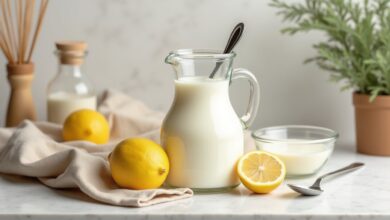
If making a plant-based approximation, one approach is to add 1 tablespoon lemon juice or white vinegar to an unsweetened plant milk and add enough plant milk to reach a total of 1 cup; let stand briefly. This is an acidified milk substitute, not cultured buttermilk, and it won’t always match a recipe that depends on buttermilk’s viscosity.
Best Milk Substitutes by Recipe Type
| Recipe | Usually workable | Use extra care |
|---|---|---|
| Muffins and quick breads | Unsweetened soy, oat or almond milk 1:1 | Too much liquid, strongly flavored beverages |
| Cakes and cupcakes | Soy or oat milk 1:1, almond often works | Delicate light cakes with very specific dairy ratios |
| Pancakes and waffles | Most unsweetened plant milks 1:1 | Recipe that specifically relies on buttermilk acidity |
| Yeast bread | Soy milk often closely matches dairy in recipes designed for milk | Changes in softness, browning and protein when using low-protein beverages |
| Cookies | Milk is usually a minor component; equal-volume swaps often work | Do not replace butter or eggs with milk using this chart |
| Custard and pastry cream | Soy may work better than many other plant beverages | Protein and starch thickening change substantially; prefer a tested recipe |
Common Mistakes with Milk Alternatives
- Using flavored or sweetened milk: vanilla, chocolate or sweetened beverages may add flavors and sugars you did not plan for.
- Assuming coconut milk is one ingredient: canned coconut milk and thin refrigerated coconut beverages differ greatly in fat and richness.
- Ignoring allergies: soy, tree nuts, dairy proteins and gluten cross-contact can matter independently of taste.
- Using the milk table for cream: heavy cream, sour cream and condensed milk all play different roles and need their own conversions.
- Changing a precise custard blindly: use an established dairy-free custard formula rather than relying on the same 1:1 cake substitution.
Frequently Asked Questions
What is the best substitute for milk in baking?
For many everyday baked goods, unsweetened soy milk is a particularly reliable 1:1 starting point. Unsweetened oat or almond milk also works in plenty of cake, muffin and pancake recipes.
Can I use almond milk instead of milk in cake?
Usually, yes, at the same volume in ordinary cake batters. Flavor, browning and texture may change slightly, especially in delicate recipes. Check tree-nut allergies.
Can I use water instead of milk in muffins?
You can try it in some simple muffins, but the muffins may have less richness and different browning. For a more similar replacement, choose an unsweetened plant milk.
Is oat milk or almond milk better for baking?
Both can work. Oat milk is often mild, while almond milk may taste nutty and tends to have relatively low protein. Soy milk is also worth considering because of its protein content.
Can I use milk instead of buttermilk?
Not as a direct guaranteed swap in recipes using baking soda. Use an appropriate acidified milk or yogurt-based substitute, or follow the original recipe.
What if I only need 2 tablespoons of milk?
Use 2 tablespoons of an unsweetened, neutral plant-based milk in most everyday baking applications. Even a small substitute may affect delicate custards, so follow their tested formulas.
More SugerBakes Ingredient Guides
Once you’ve chosen your liquid, explore vegetable oil substitutes for baking, cake flour substitutes, and our baking powder guide. For a dairy-based muffin example, see our cottage cheese pumpkin muffins, which are not dairy-free.
Sources and Editorial Notes
This reference was prepared from ingredient-function guidance and published testing, including King Arthur Baking’s 2024 comparison of six non-dairy milks and its dairy-free baking guide. The ratios in the tables are practical starting points rather than results of independent side-by-side testing at SugerBakes. Packaged products and recipes differ.