Cake Flour Substitute: How to Make It (1-Cup Ratio)
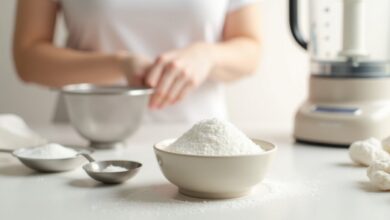
Out of cake flour in the middle of a recipe? This cake flour substitute uses regular all-purpose flour and cornstarch to make a practical pantry workaround. The method is easy, but it does not produce exactly the same ingredient as professionally milled cake flour. Below you’ll learn the correct 1-cup ratio, how to scale it, which cakes it suits, and the difference between substituting cake flour for all-purpose flour and the other way around.
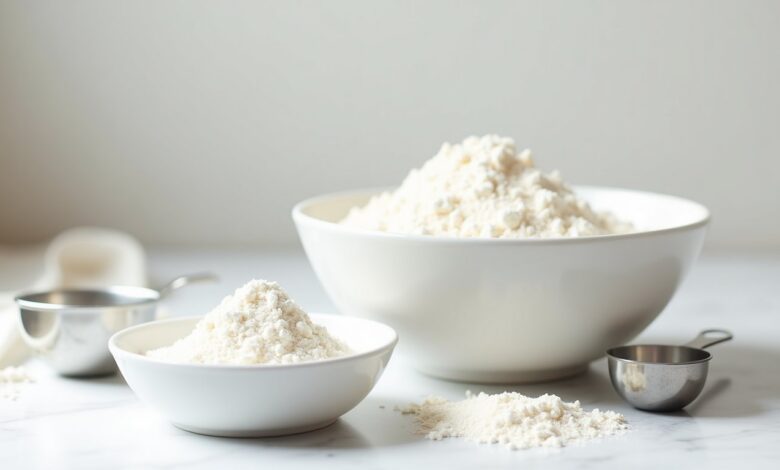
Quick answer: For 1 cup of homemade cake flour substitute, measure 1 level cup all-purpose flour, remove 2 tablespoons of that flour, and replace it with 2 tablespoons cornstarch. Whisk and sift thoroughly before using. This creates a lower-protein blend by dilution, not true commercial cake flour.
How to make a cake flour substitute
Ingredients for 1 cup
- 1 level cup (about 120 g before removal) all-purpose flour
- 2 tablespoons (about 14 g) cornstarch (cornflour in some countries, but NOT yellow cornmeal)
- A dry measuring cup, tablespoon, whisk, and fine-mesh sieve
Step 1: Measure the flour
Spoon all-purpose flour into a dry 1-cup measuring cup and level the surface with a straight edge. Do not pack the flour. If possible, use weights based on your recipe and flour brand.
Step 2: Remove 2 tablespoons
Take two level tablespoons of flour out of the measured cup. You should now have 14 tablespoons of all-purpose flour.
Step 3: Add 2 tablespoons cornstarch
Replace the removed flour with two level tablespoons of cornstarch. Use plain cornstarch; substitutes such as cornmeal, polenta, or baking powder are not interchangeable.
Step 4: Whisk and sift
Whisk the mixture, then sift it together two or three times to distribute the cornstarch evenly. You now have roughly one cup of homemade cake flour alternative.
Cake flour substitute conversion chart
- 1 cup cake flour substitute: 14 tablespoons all-purpose flour + 2 tablespoons cornstarch.
- 2 cups: 1¾ cups all-purpose flour + ¼ cup cornstarch.
- 3 cups: 2⅝ cups all-purpose flour + ⅜ cup cornstarch.
- For precision formulas written by weight, consult the original recipe and adjust by weight; cup-to-gram conversions depend on the flour brand and measuring method.
To make multiple cups, measure the full number of cups of all-purpose flour first, remove 2 tablespoons per cup, then replace each removed portion with the same volume of cornstarch.
Why does this substitution work?
Cake flour typically has a lower protein content than all-purpose flour, so batters form less gluten when mixed. Adding cornstarch to all-purpose flour dilutes its wheat-protein content and can create a more tender crumb. However, this homemade mixture does not duplicate the very fine milling or starch properties of commercial cake flour, and results will vary by recipe.
Cake flour vs all-purpose flour
Protein and texture
Cake flour generally contains less protein than all-purpose flour, but the exact percentages vary by brand. For example, King Arthur lists its unbleached cake flour at 10% protein and its all-purpose flour at 11.7%. Lower-protein flour generally forms less gluten when mixed, helping a cake stay tender. See King Arthur Baking’s cake flour substitute guide for a similar flour-and-cornstarch method.
Best baking uses
- Cake flour: delicate layer cakes, some sponge cakes, and certain tender cupcakes.
- All-purpose flour: cookies, muffins, quick breads, everyday cakes, and a wide range of pastries.
- Cake flour substitute: an emergency replacement in many basic cakes, especially if the recipe is not extremely sensitive to texture.
Can I substitute cake flour for all-purpose flour?
Yes, sometimes—but this is the reverse substitution. If a recipe calls for all-purpose flour and you only have cake flour, cake flour’s lower protein may make cookies softer or cakes more delicate, and it may produce too little structure in bread. When experimenting, match the flour by weight rather than swapping packed cup measures. For bread, pizza, or chewy bagels, use the stronger flour the recipe specifies.
Can I substitute all-purpose flour for cake flour without cornstarch?
In many everyday cakes, you can use all-purpose flour instead of cake flour by weight. The result may have a slightly firmer texture. To help tenderness, mix just until the flour disappears. For particularly delicate cakes, the purpose-made flour or a tested recipe adaptation is more reliable.
When not to use homemade cake flour
- Very delicate angel food, chiffon, or specialty foam cakes that rely on precisely calibrated flour.
- Recipes written with exceptionally fine, treated cake flour and strict weight measurements.
- Bread and doughs that need strong gluten development.
- Any recipe that requires gluten-free ingredients: the homemade substitute still contains wheat and gluten.
How does cake flour affect sponge cake?
Our light sponge cake recipe uses cake flour for its soft texture. If you try a home substitute, sift carefully and avoid overmixing; the cake may rise differently because of changes in flour particle size and protein content. For a forgiving small birthday cake, our 6-inch vanilla cake already uses ordinary all-purpose flour.
Common mistakes with cake flour substitutions
Using cornstarch on top of a full cup of flour
You should remove two tablespoons of flour first, not add two tablespoons cornstarch to a full cup. Otherwise, you end up with more dry ingredients than the recipe called for.
Using cornmeal instead of cornstarch
Cornstarch is a finely milled white starch. Cornmeal is a coarser grain product and will make the cake gritty if used as a direct substitute.
Ignoring the flour weight
A cup of flour can weigh significantly different amounts if packed or scooped. A kitchen scale is the best way to maintain a repeatable batter.
Overmixing
Even lower-protein flour develops gluten when moistened and mixed. Once you add flour, follow the recipe’s mixing directions and avoid prolonged beating.
Frequently asked questions
What is the best substitute for cake flour?
When you have no cake flour, the classic all-purpose flour plus cornstarch mixture is a useful approximation. For precision cakes, the actual specified flour remains the most reliable option.
Can I make cake flour with just all-purpose flour?
You can use all-purpose flour directly in many recipes, but it is not an exact texture match. You cannot mill it into low-protein cake flour simply by sifting.
Is cake flour the same as self-rising flour?
No. Self-rising flour contains leavening, usually baking powder and salt. Plain cake flour and the substitute here do not contain added leavening.
Is this cake flour substitute gluten-free?
No. It includes wheat flour, so it is not safe for people who require a gluten-free diet.
Can I keep the homemade mixture in a jar?
Yes, if the ingredients and jar are dry. Label the jar clearly and store airtight in a cool, dry place. Mixing only what you need tends to avoid errors in recipe ratios.
Explore related baking recipes
Try the technique in a suitable tender cake recipe, then compare with light sponge cake. For other pantry shortcuts see how to make icing sugar at home, or browse our cake flavor combinations.