3-Ingredient Shortbread Cookies (Easy Buttery Recipe)
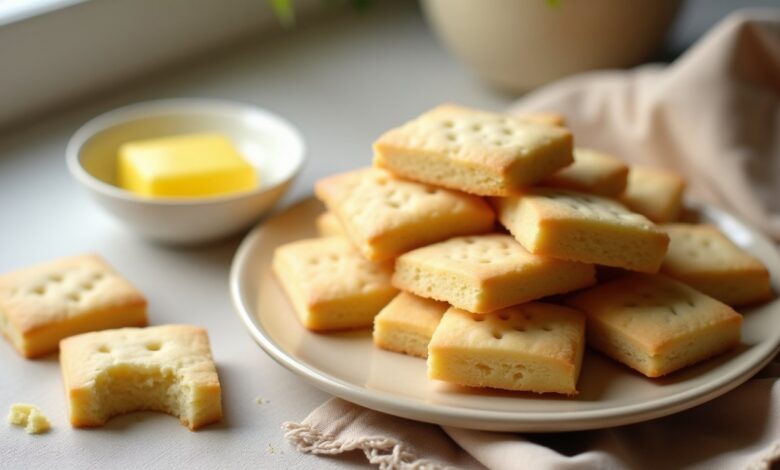
These 3-ingredient shortbread cookies use butter, powdered sugar and flour for a tender, crumbly cookie with crisp edges. No eggs or baking powder are needed. The dough is easy to shape into classic shortbread fingers and is a practical starting point for beginner bakers.
3-Ingredient Shortbread Cookies at a Glance
- Prep: about 15 minutes
- Chill: 20–30 minutes
- Bake: about 18–24 minutes
- Oven: 325°F (165°C)
- Yield: approximately 24 small cookies, depending on size
Ingredients
- 1 cup (226 g) unsalted butter, softened but not melted
- ½ cup (60 g) powdered sugar (also called confectioners’ or icing sugar)
- 2 cups (250 g) all-purpose flour, measured by weight if possible
For a true three-ingredient version, use only those ingredients. A pinch of salt or a little vanilla is optional, but either addition makes it a four-ingredient recipe. Salted butter can be used instead of unsalted if you prefer a slightly saltier flavor.
How to Make Shortbread Cookies
1. Cream the butter and sugar
In a mixing bowl, beat the softened butter and powdered sugar until smooth and creamy, about 1–2 minutes. You do not need to whip a lot of air into the mixture.
2. Mix in the flour
Add the all-purpose flour in two batches. Mix on low speed or fold with a spatula just until the dough comes together. It may look crumbly at first; gently press a little between your fingers to check whether it holds together. Avoid prolonged mixing, which can make shortbread tough.
3. Shape and chill
Bring the dough together with your hands. Roll it between two sheets of parchment into a rectangle about ⅓–½ inch (8–12 mm) thick. Cut into small fingers or squares, then place on a parchment-lined baking sheet with about 1 inch (2.5 cm) between pieces. Prick each cookie lightly with a fork if desired. Refrigerate the shaped cookies for 20–30 minutes to help them hold their shape.
4. Bake
Preheat the oven to 325°F (165°C). Bake on the middle rack for approximately 18–24 minutes, checking earlier for small or thin cookies. The surface should remain fairly pale and the edges should be only lightly golden. Ovens and cookie thickness vary, so use the appearance rather than the clock alone.
5. Cool completely
Let the cookies rest on the baking sheet for 5–10 minutes because warm shortbread is fragile. Transfer to a rack and cool completely before storing or serving.
Tips for Tender, Buttery Shortbread
- Use softened, not melted, butter: it should give when pressed but still hold its shape.
- Weigh the flour: excess flour can make the dough dry and difficult to shape.
- Mix only until combined: overworking the dough develops gluten and changes the crumbly texture.
- Chill cut cookies: this helps maintain clean edges during baking.
- Avoid deep browning: classic shortbread is usually pale with lightly golden edges.
Shortbread Troubleshooting
Why is my shortbread dough crumbly?
Shortbread dough is naturally less cohesive than ordinary cookie dough. First squeeze a handful together. If it will not hold, let very cold butter warm slightly and press the dough together gently; also check that you did not pack extra flour into the measuring cup. Avoid adding water immediately, since it changes the texture.
Why did the cookies spread?
The butter may have been too warm or the shaped dough was not chilled. Refrigerate the cookies before baking and use a cool baking sheet.
Can I make the dough ahead?
Yes. Wrap the dough tightly and refrigerate for up to 2 days. If it becomes too firm to roll, leave it at room temperature briefly until workable. You can also freeze tightly wrapped dough for longer storage and thaw it in the refrigerator before shaping.
Storage and Serving
Store fully cooled cookies in an airtight container at room temperature for about a week, away from heat and humidity. Serve with tea, coffee or fruit. If you enjoy classic buttery bakes, you may also like our homemade butter cookie recipe; shortbread is typically more crumbly and uses no eggs.
Frequently Asked Questions
What are the three ingredients in shortbread?
Traditional simple shortbread can be made with butter, sugar and flour. This version uses powdered sugar for a delicate texture.
Can I replace powdered sugar with granulated sugar?
Granulated sugar produces a slightly different, often grainier texture. For the soft, delicate crumb in this recipe, powdered sugar is the better choice.
Do shortbread cookies need eggs or baking powder?
No. Neither is required in this recipe. Butter supplies richness, while the flour and sugar form the characteristic dense, crumbly shortbread texture.
Recipe note: Bake times are guidance for small shortbread fingers; cookie thickness and your oven can change the timing.