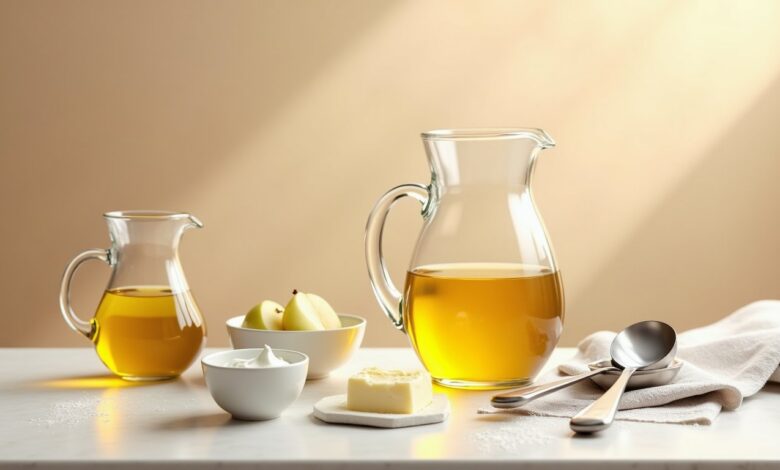
Vegetable Oil Substitutes for Baking: Best Swaps & Ratios
Need a vegetable oil substitute for baking? For most cakes, muffins, brownies and quick breads, your closest 1:1 replacement is another mild-tasting liquid oil, such as canola, sunflower, safflower or refined avocado oil. Melted butter can also work in many batters, but it changes the flavor and texture. If your goal is to reduce the amount of oil, try swapping half the oil for unsweetened applesauce or plain yogurt as a cautious starting point.
The best swap depends on what you’re baking. A fluffy vanilla cake, fudgy brownies and crisp cookies do not use fat in quite the same way. Below you’ll find a quick conversion table, guidance for each substitute, examples for boxed cake mix and common mistakes to avoid.
Quick Answer: What Can You Use Instead of Vegetable Oil?
| Substitute | Starting amount for ½ cup vegetable oil | Best use | Important trade-off |
|---|---|---|---|
| Canola, sunflower or safflower oil | ½ cup (120 ml) | Cakes, muffins, brownies, quick breads | Closest neutral-flavored swap; usually 1:1 |
| Refined avocado oil | ½ cup (120 ml) | Most baked goods using liquid oil | Generally mild flavor; usually 1:1 |
| Mild olive oil | ½ cup (120 ml) | Chocolate cake, citrus cakes, quick breads | Olive flavor may show through; 1:1 volume |
| Melted unsalted butter | ½ cup (120 ml), cooled slightly | Brownies, loaf cakes, many cake-mix batters | Adds dairy and water; flavor and crumb change |
| Melted coconut oil | ½ cup (120 ml) | Muffins, brownies, suitable cake batters | Can firm up when mixed with cold ingredients; coconut flavor varies |
| Unsweetened applesauce | ¼ cup applesauce + ¼ cup oil | Muffins, spice cakes, banana bread | Partial replacement is safer than removing all fat; denser crumb possible |
| Plain yogurt | ¼ cup yogurt + ¼ cup oil | Muffins and tender quick breads | Adds moisture and acidity, but not the same fat; batter may be thicker |
| Mashed ripe banana | ¼ cup banana + ¼ cup oil | Banana bread, spice muffins | Adds banana taste, natural sugar and moisture |
How to use the chart: The first five are approximately equal-volume fat substitutions in appropriate recipes. The last three start by replacing half of the oil rather than all of it. These are practical starting points, not promises of identical results. For a delicate cake, use the original recipe or a recipe developed for your replacement ingredient.
Why Vegetable Oil Matters in Baking
Oil helps tenderize baked goods by coating flour proteins, carrying flavors and keeping many cakes and muffins moist. Because liquid oil remains fluid even after a cake cools, it can give a particularly soft crumb. Swapping in water-rich foods such as applesauce or yogurt changes more than the calorie count: it changes the ratio of water, fat and solids, which affects rise, browning and texture.
The term vegetable oil in an American baking recipe often means a neutral liquid cooking oil. King Arthur Baking’s ingredient guide lists canola, sunflower and safflower as examples of neutral oils. Choose a replacement with a similarly mild flavor when you want to keep the taste of the recipe intact.
1. Canola, Sunflower, Safflower or Avocado Oil
Best everyday replacement: use 1 tablespoon of another neutral liquid oil for each tablespoon of vegetable oil, or ½ cup for ½ cup. These oils perform most similarly because you’re replacing one liquid fat with another rather than introducing water, protein or starch.
- Canola oil: usually a good default for vanilla cake, chocolate cake, boxed cake mix, muffins and brownies.
- Sunflower or safflower oil: suitable neutral swaps in baked goods that already call for liquid oil.
- Refined avocado oil: can be relatively mild in flavor, although brand and processing affect taste.
- What to check: avoid strongly flavored infused oils unless their flavor belongs in the recipe.
2. Melted Butter Instead of Vegetable Oil
For a cake or brownie batter that calls for liquid vegetable oil, you can start with an equal volume of melted, slightly cooled unsalted butter. For example, use ⅓ cup of melted butter for ⅓ cup oil. Measure the butter after melting if the recipe calls for the liquid volume, or follow your recipe’s stated weight where supplied.
Butter isn’t pure fat: it also contains water and milk solids. Expect more buttery flavor, possibly different browning and a somewhat firmer texture after cooling. Butter is not a universal 1:1 substitute for oil in precise commercial cake formulas, and replacing creamed butter with oil is a different problem.
If you’re working in sticks or grams, see our butter conversion chart to convert US cups, tablespoons and sticks before measuring.
3. Applesauce Instead of Oil in Baking
Unsweetened applesauce can supply moisture in muffins and quick breads, but it cannot replicate what oil does for tenderness. Instead of replacing every drop immediately, try 50% of the oil as unsweetened applesauce. For a recipe calling for ½ cup oil, that’s ¼ cup oil plus ¼ cup applesauce. This usually changes texture less dramatically than a full replacement.
A full 1:1 applesauce-for-oil swap is suggested in some baking guides, including Bob’s Red Mill’s substitution overview, but it can leave a cake or muffin more dense, rubbery or gummy. Bon Appétit cautions that replacing around 20–50% may be a better starting point in some batters. These approaches are not contradictory: a full swap is a possibility in selected recipes, while a partial swap is more reliable when you’re adapting a recipe that wasn’t written for applesauce.
- Use unsweetened applesauce so you don’t accidentally increase the sugar.
- Try it in banana bread, carrot cake, chocolate muffins and spice cake first.
- Avoid replacing all the fat in shortbread, pastry dough or laminated dough; those depend heavily on the physical properties of fat.
- Expect differences in crumb, flavor and shelf life, and check doneness rather than using color alone.
4. Greek Yogurt or Plain Yogurt
Plain yogurt and Greek yogurt can add moisture and some tang to muffin, loaf cake and certain brownie batters. As a conservative first trial, swap ¼ cup of the oil for ¼ cup of plain yogurt when the recipe requires ½ cup oil, leaving the other ¼ cup as oil. Greek yogurt is thicker than ordinary yogurt, so compare the batter with its usual consistency; too much can make the result heavy.
Use unsweetened yogurt, and don’t assume that replacing fat with yogurt is nutritionally better for everyone. Yogurt introduces dairy allergens, acidity and protein, while the final nutrition depends on the whole recipe and portion size.
5. Coconut Oil and Olive Oil
Coconut oil: When a recipe uses vegetable oil as liquid fat, an equal melted volume of coconut oil can be a starting point. Let it cool slightly but keep it fluid. If eggs and milk are very cold, coconut oil can solidify into small lumps. Refined coconut oil is usually milder than virgin coconut oil.
Olive oil: An equal volume can work in lemon cake, chocolate cake and quick bread. A peppery extra-virgin variety may noticeably change the flavor of a delicate vanilla cake; choose a milder oil if you want neutrality. Neither replacement guarantees the same result in every cake formula.
6. Mashed Banana or Pumpkin Purée
In banana bread, pumpkin muffins and similar rustic bakes, fruit or vegetable purée may take the place of some vegetable oil. Start by replacing one-quarter to one-half of the oil, not necessarily all of it, and choose a flavor compatible with the batter. Ripe banana adds sweetness; plain pumpkin purée adds solids and moisture. Avoid pumpkin pie filling when the recipe expects plain purée.
Because both purées add water and fiber but little fat, they are not direct substitutes in recipes that rely on fat for flaky layers or a crisp, short crumb. For an example of an applesauce-forward muffin formula, see our applesauce muffins recipe.
Vegetable Oil Substitute Conversion Chart
| Vegetable oil in recipe | Same-volume neutral oil | Half-oil applesauce trial | Half-oil yogurt trial |
|---|---|---|---|
| 2 tbsp (30 ml) | 2 tbsp neutral oil | 1 tbsp oil + 1 tbsp applesauce | 1 tbsp oil + 1 tbsp yogurt |
| ¼ cup (60 ml) | ¼ cup neutral oil | 2 tbsp oil + 2 tbsp applesauce | 2 tbsp oil + 2 tbsp yogurt |
| ⅓ cup (80 ml) | ⅓ cup neutral oil | 2 tbsp + 2 tsp oil and same amount applesauce | 2 tbsp + 2 tsp oil and same amount yogurt |
| ½ cup (120 ml) | ½ cup neutral oil | ¼ cup oil + ¼ cup applesauce | ¼ cup oil + ¼ cup yogurt |
| ¾ cup (180 ml) | ¾ cup neutral oil | ⅜ cup oil + ⅜ cup applesauce | ⅜ cup oil + ⅜ cup yogurt |
| 1 cup (240 ml) | 1 cup neutral oil | ½ cup oil + ½ cup applesauce | ½ cup oil + ½ cup yogurt |
US cup volumes above are rounded to the usual kitchen equivalents. The ⅓-cup example uses 2 tablespoons plus 2 teaspoons of each component, giving about ⅓ cup total. A kitchen scale is helpful for your main recipe, but different substitutes do not weigh the same per cup.
Best Oil Substitute for Cake Mix
If the box calls for ½ cup vegetable oil, the most predictable option is ½ cup neutral canola, sunflower or refined avocado oil. Melted butter is a flavor-forward alternative for many mixes. If you want to experiment with applesauce, begin with ¼ cup oil and ¼ cup unsweetened applesauce, then note changes in rise and tenderness. Follow the box’s egg, water and baking instructions unless its manufacturer provides a specific substitution.
Do not replace the oil with an equal amount of plain water or milk and expect an equivalent cake: these liquids do not provide fat. For more from-scratch alternatives, see cake mix cookies, which uses a different method and should not be treated as a direct cake-batter conversion.
Which Substitute Works Best for Different Bakes?
| Bake | Usually best starting swap | What to avoid |
|---|---|---|
| Vanilla or chocolate layer cake | Neutral liquid oil 1:1; consider melted butter for flavor | Large untested applesauce or yogurt swaps in delicate sponge cakes |
| Banana bread and spice loaf | Neutral oil 1:1; partial applesauce or yogurt | Replacing all oil with watery purée without adjusting the formula |
| Muffins | Neutral oil; start with half-oil applesauce or yogurt | Overmixing a thicker batter after substitution |
| Brownies | Neutral oil or melted butter; small trials with applesauce | Expecting identical fudginess from a full fat-free swap |
| Cookies | Follow the recipe’s fat type; oil-based cookie recipes behave differently | Treating oil, solid butter and fruit purée as interchangeable |
| Pie crust and shortbread | Use the solid fat specified in the recipe | Applesauce or yogurt as a straight oil/butter replacement |
How to Choose a Substitute in 3 Steps
- Read the original recipe: Does it call for liquid vegetable oil or for butter to be creamed with sugar? Only use this chart for recipes asking for liquid oil.
- Decide your goal: If you’re simply out of vegetable oil, another neutral oil is the safest choice. For buttery flavor, test melted butter. For a reduced-oil variation, try substituting only a portion with applesauce or yogurt.
- Keep notes: Measure accurately, mix as instructed, check the center for doneness and write down any change in height, moisture or crumb so you can adjust the next batch.
Common Problems After Replacing Vegetable Oil
Why is my cake dense or rubbery?
A large replacement with applesauce, banana or yogurt can change the batter’s water-to-fat ratio. Also avoid overmixing after the flour goes in. For the next batch, retain more oil and follow the original mixing instructions.
Why is there an oily flavor?
Some unrefined coconut oils and strongly flavored olive oils have distinctive tastes. Choose neutral canola, sunflower, safflower or refined avocado oil when your cake has a delicate flavor.
Why did my muffins dry out the next day?
Fat helps baked goods stay tender as they cool. When you substantially reduce it, the muffin can feel drier or more firm later even when the hot muffin seemed moist. Store cooled muffins airtight and evaluate whether a smaller replacement works better.
Can I use cooking spray instead of oil in the batter?
No. Cooking spray is designed to coat the pan, not replace the measured oil that the recipe relies on. Spray or parchment may prevent sticking, but your batter still needs its intended fat or an appropriate tested substitute.
Frequently Asked Questions
Can I substitute butter for vegetable oil in cake?
Often yes, especially in recipes using liquid fat. Melt and slightly cool unsalted butter, and try the same volume as the oil. Expect more buttery flavor and possible changes in crumb and browning.
What can I substitute for ½ cup vegetable oil in brownies?
Try ½ cup of another neutral oil for the closest result, or ½ cup melted butter in recipes suited to butter. For a lower-oil experiment, try ¼ cup oil and ¼ cup unsweetened applesauce, understanding that the texture may become more cakey.
Is applesauce a 1:1 substitute for oil?
It can be used at that volume in some muffins and quick breads, but the texture often changes. Replacing only half of the oil is the more conservative starting point in recipes not designed for it.
Can I use olive oil instead of vegetable oil for cake?
Yes, in many cake recipes that specify liquid oil, but the flavor of olive oil may be noticeable. A mild oil suits vanilla or other delicate cakes better than a very assertive extra-virgin oil.
Can I use milk instead of vegetable oil?
Milk contributes liquid and some protein, but not the same amount or role of fat as vegetable oil. It is not a dependable equal-volume substitution for the oil in a cake batter.
What is the best dairy-free substitute?
Canola, sunflower, safflower or refined avocado oil are naturally dairy-free when used alone and are the closest functional swaps for vegetable oil. Always check other ingredients and package labeling if allergen avoidance is important.
Related SugerBakes Baking Guides
Save our butter conversion chart for precise US stick, cup and tablespoon equivalents. For other ingredient swaps, read how to replace buttermilk, vegan egg substitutes, and our baking powder guide.
Sources and Testing Notes
Sources for ingredient function and substitution approaches include King Arthur Baking’s Recipe Success Guide, King Arthur Baking on reducing fat in baked goods, Bob’s Red Mill’s oil substitute overview and Bon Appétit on replacing oil with applesauce. The tables are reference starting points assembled for SugerBakes, not results of side-by-side kitchen tests. Individual recipes and branded mixes can behave differently.