10 Easy Gluten-Free Dessert Recipes That Taste Like the Real Thing
If you are living with celiac disease, gluten sensitivity, or simply choosing a gluten-free lifestyle, you’ve likely faced the “dry, crumbly cookie” disappointment. The search intent for gluten-free dessert recipes isn’t just about finding ingredients that lack wheat; it’s about finding treats that maintain the moisture, texture, and decadence of traditional baking.
In this guide, we’ll move from simple, naturally gluten-free classics to advanced baking tips that will fool even the biggest gluten-lovers.
Table of Contents
Understanding Gluten-Free Baking: The Basics
Before diving into recipes, it’s important to understand why gluten-free baking can be tricky. Gluten is the protein found in wheat, barley, and rye that acts as the “glue,” providing elasticity and structure to cakes and breads.
To replicate this without wheat, we use:
- Gluten-Free Flour Blends: Usually a mix of rice flour, potato starch, and tapioca flour.
- Xanthan Gum: A thickening agent that replaces the “stretch” of gluten.
- Moisture Boosters: Sour cream, applesauce, or extra eggs to prevent dryness.
1. Naturally Gluten-Free Classics
Some of the best desserts never had gluten to begin with. These are the safest and easiest options for beginners.
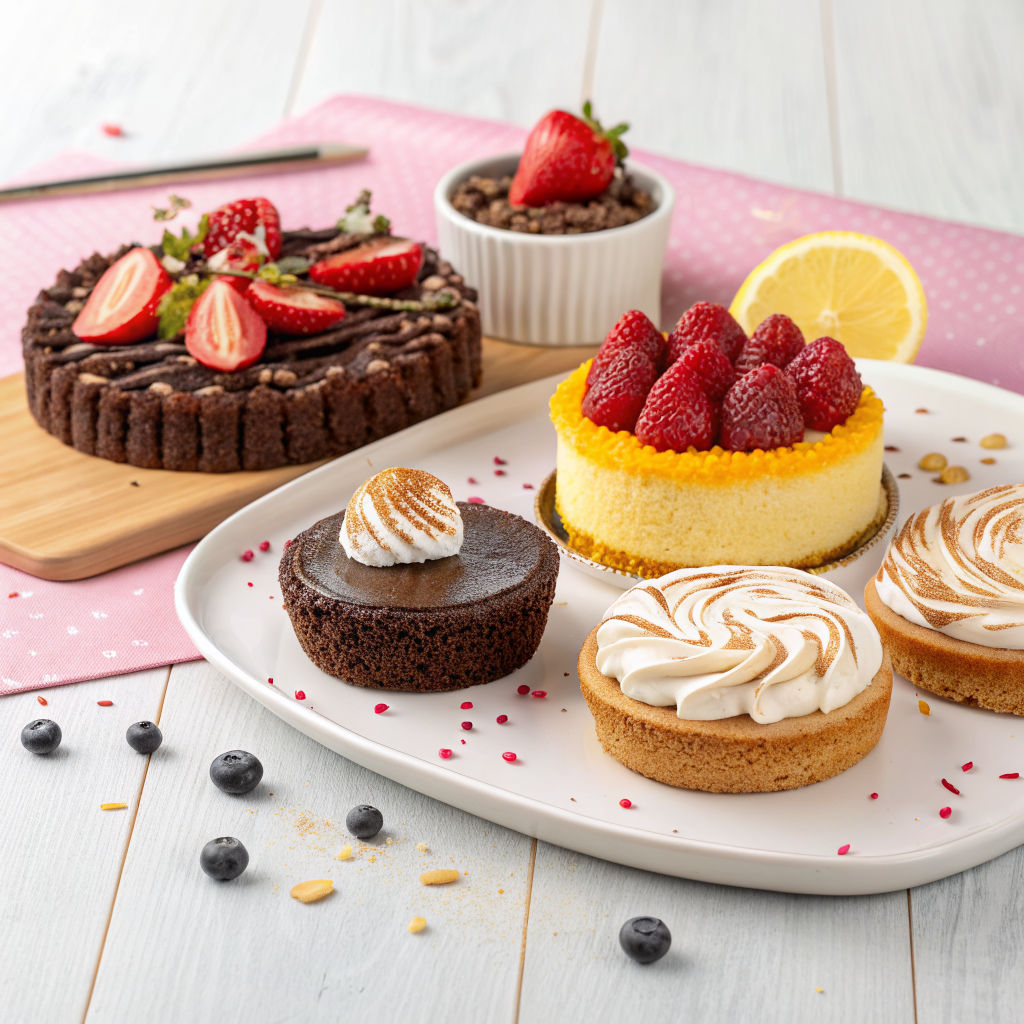
- Flourless Chocolate Cake: Using only eggs, butter, sugar, and high-quality cocoa powder, this cake is dense, fudgy, and sophisticated.
- Meringues and Pavlovas: Made from whipped egg whites and sugar, these are naturally light, airy, and gluten-free.
- French Macarons: These elegant cookies use almond flour instead of wheat flour.
- Coconut Macaroons: A chewy blend of shredded coconut, condensed milk, and vanilla.
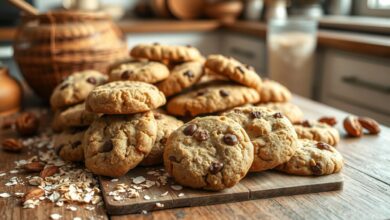
2. The Ultimate Gluten-Free Chocolate Chip Cookies
The secret to a non-gritty cookie is letting the dough rest.
- The Swap: Use a 1:1 gluten-free baking flour (like King Arthur or Cup4Cup).
- The Pro Tip: Chill your dough for at least 24 hours. This allows the rice flour in the blend to hydrate, eliminating that “sandy” texture often found in GF treats.
3. Gluten-Free Fruit Crisps
Fruit crumbles are incredibly forgiving.
- The Swap: Use certified gluten-free oats and almond flour for the topping.
- Why it works: The juices from the baking fruit soak into the topping, ensuring it never tastes dry.
4. Rich Peanut Butter Cookies (3 Ingredients)
You don’t even need a flour substitute for this one.
- Recipe: 1 cup peanut butter, 1 cup sugar, 1 egg.
- Instructions: Mix, roll into balls, and bake at 350°F (175°C) for 10 minutes. It is naturally grain-free and delicious.
Common Questions About Gluten-Free Desserts
Can I just swap wheat flour for almond flour?
Not exactly. Almond flour is much higher in fat and lacks the binding power of wheat. While great for flavor, you usually need to add extra eggs or use a specific recipe designed for almond flour.
Why are my gluten-free cakes so crumbly?
This usually happens due to a lack of a binder. Ensure your flour blend contains xanthan gum. If it doesn’t, add 1/4 teaspoon per cup of flour to hold the structure together.
Is “Wheat-Free” the same as “Gluten-Free”?
No. A product can be wheat-free but still contain barley or rye, which contain gluten. Always look for the “Certified Gluten-Free” label if you have celiac disease.
Advanced Tips for Pro-Level GF Baking
- Measure by Weight: Gluten-free flours vary wildly in density. Use a kitchen scale for precision.
- Add Extra Vanilla: Gluten-free flours can sometimes have a “beany” or earthy aftertaste. Doubling your vanilla extract helps mask this.
- Don’t Overbake: GF desserts often look “underdone” when they are actually perfect. They continue to firm up as they cool. Overbaking is the #1 cause of the dreaded “GF cardboard” texture.
Conclusion
Mastering gluten-free dessert recipes is all about understanding moisture and structure. Start with naturally flourless options like chocolate tortes or fruit compotes, and as you get comfortable, experiment with high-quality 1:1 flour blends for cookies and cakes.
With the right techniques, you don’t have to settle for “good for being gluten-free”—you can make desserts that are simply good.