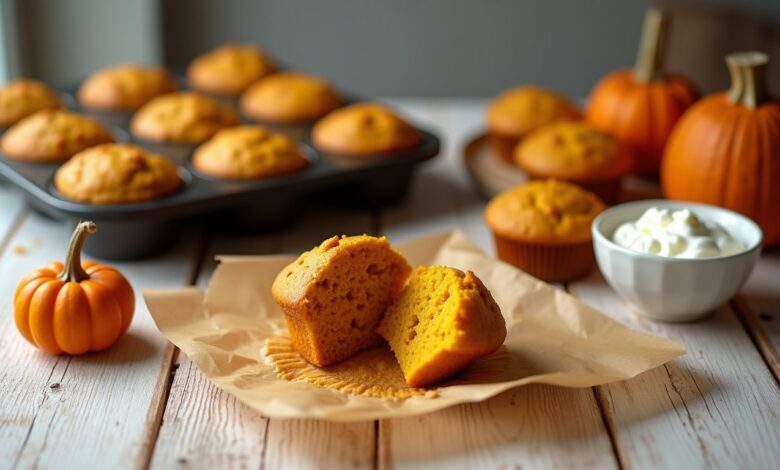
Cottage Cheese Pumpkin Muffins (Moist & Easy Fall Recipe)
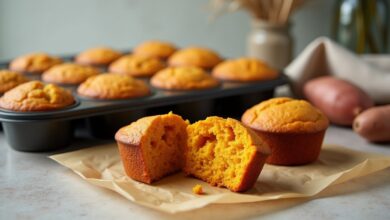
Cottage cheese pumpkin muffins bring pumpkin spice, a moist crumb and a little extra dairy richness to a fall breakfast favorite. Blending the cottage cheese into the pumpkin purée produces a smooth batter without obvious curds, while the flour and eggs give these muffins structure. You do not need protein powder or a boxed cake mix.
This recipe-style guide uses plain canned pumpkin, cottage cheese, maple syrup and warm spices. The quantities below are a SugerBakes editorial formulation, not an independently kitchen-tested batch; consult the batter cues and doneness checks because cottage cheese moisture and oven performance can vary.
Cottage Cheese Pumpkin Muffins: Recipe at a Glance
- Yield: approximately 12 standard muffins
- Prep: 15 minutes
- Bake: approximately 18–23 minutes at 375°F (190°C)
- Cooling: about 10 minutes before serving
- Estimated total: about 45 minutes including initial cooling
- Equipment: blender or immersion blender, mixing bowl, spatula and 12-cup muffin pan
Why Put Cottage Cheese in Pumpkin Muffins?
Plain cottage cheese brings moisture, dairy protein and a mild tang; pumpkin purée adds color, body and fall flavor. The result is different from a conventional butter-rich pumpkin muffin. Smooth blending is especially helpful: rather than leaving pockets of curds, it distributes the dairy evenly throughout the batter.
The recipe is not automatically a “high-protein muffin.” Total protein per serving depends on the specific brand of cottage cheese, flour, eggs and portion size. Without a complete calculation, we do not publish a numerical protein or calorie claim. Cottage cheese also introduces dairy, so these muffins are not dairy-free.
Ingredients
- 1¾ cups (210 g) all-purpose flour: spoon into the measuring cup and level; weighing is more consistent.
- 2 teaspoons baking powder and ¼ teaspoon baking soda: use fresh leavening.
- ½ teaspoon fine salt.
- 2 teaspoons pumpkin pie spice plus ½ teaspoon ground cinnamon (optional extra cinnamon).
- 1 cup (about 240 g) plain pumpkin purée: use pure pumpkin, not pre-sweetened pumpkin pie filling.
- ¾ cup (about 170 g) plain cottage cheese: small-curd or large-curd both work if blended; avoid strongly salted or flavored varieties.
- 2 large eggs.
- ⅓ cup (80 ml) pure maple syrup: not pancake-flavored syrup.
- ¼ cup (60 ml) neutral vegetable or canola oil.
- 1 teaspoon vanilla extract.
- Optional: up to ⅓ cup mini chocolate chips or chopped pecans; omit if you prefer a plain muffin.
Important: Cottage cheese varies in salt, moisture and fat content. Very watery cottage cheese or homemade watery pumpkin purée can make the batter runny. Drain only obvious free liquid, then measure. Use a thick, scoopable batter as the visual guide rather than adding large amounts of extra flour.
How to Make Cottage Cheese Pumpkin Muffins
- Heat the oven: Preheat to 375°F (190°C), place a rack in the middle, and line or lightly grease a standard 12-cup muffin pan.
- Whisk dry ingredients: Combine flour, baking powder, baking soda, salt, pumpkin pie spice and cinnamon in a large mixing bowl. Break up any lumps so the leavening spreads evenly.
- Blend the wet ingredients: In a blender or with an immersion blender, process the cottage cheese, pumpkin purée, maple syrup, eggs, oil and vanilla until mostly smooth. Stop as soon as the cottage cheese curds disappear.
- Fold wet into dry: Add the wet mixture to the dry ingredients. Stir gently with a spatula just until no obvious streaks of flour remain; small lumps are preferable to overmixing.
- Add optional mix-ins: Fold in mini chocolate chips or finely chopped pecans if using. Avoid mixing vigorously at this point.
- Fill the muffin cups: Divide the batter among 12 muffin wells, filling each around three-quarters full. Because tins differ in size, bake any excess in a separate lined cup.
- Bake and check: Bake approximately 18–23 minutes. The tops should be set and a toothpick inserted near the center should come out without raw batter (a few moist crumbs are fine). Begin checking early because pan color and oven calibration affect the timing.
- Cool: Let stand in the muffin tin for about 5 minutes, then transfer to a cooling rack for at least another 5 minutes so the crumb can set before eating.
What Should the Batter Look Like?
It should be thick enough to scoop with a large spoon, not pour like pancake batter. It may be looser than cookie dough but should not separate into a watery layer. If your pumpkin purée is unusually wet, strain it briefly before measuring. If a mixed batter is obviously thin, add flour by the tablespoon only as needed; excessive flour can create a dry, heavy muffin.
A blender is useful for the wet ingredients, but do not blend after adding the flour. Beating flour in a high-speed blender develops gluten and may give muffins a rubbery crumb. For more on chemical leavening, see our baking powder guide.
Pumpkin Purée vs. Pumpkin Pie Filling
Plain canned pumpkin contains mashed cooked pumpkin or winter squash. Pumpkin pie filling commonly includes sugar and spices and sometimes other ingredients. Using pie filling changes sweetness and liquid content, so it is not a direct swap for the plain purée measured here. If you roast your own pumpkin, strain off excess liquid until the texture is similar to thick canned pumpkin.
Can You Make Them Without a Blender?
Yes, but the cottage cheese curds may remain visible. You can press cottage cheese through a fine sieve, mash it very thoroughly, or process only the wet mixture with an immersion blender. Avoid blending the finished flour batter. A little curd texture is not harmful, but smooth dairy is closer to the intended crumb.
Simple Variations
| Variation | What to change | What to expect |
|---|---|---|
| Chocolate chip pumpkin muffins | Fold in ⅓ cup mini chocolate chips | Sweeter flavor; check the center away from melted chocolate |
| Pumpkin pecan muffins | Fold in ⅓ cup finely chopped pecans | Added crunch; contains tree nuts |
| Extra pumpkin spice | Add a small pinch of ginger or cinnamon | Warmer spice aroma without changing batter structure |
| Mildly sweeter | Serve with a little maple syrup after baking | Keeps the original batter proportions intact |
| Whole wheat trial | Replace only ¼ cup all-purpose flour with whole wheat flour | Slightly heartier crumb; more extensive swaps need testing |
Are Cottage Cheese Pumpkin Muffins Healthy or High in Protein?
Cottage cheese contributes protein and pumpkin provides color and some nutrients, but “healthy” depends on the entire recipe and serving context. These muffins still include refined flour and maple syrup. If you are tracking protein, sugar or calories, calculate values from your actual ingredient labels and the number of muffins your pan yields. Avoid treating them as low-sugar, low-calorie, gluten-free or keto without verifying the entire formula.
Troubleshooting
Why are my pumpkin muffins gummy in the middle?
Wet pumpkin purée, very watery cottage cheese, underbaking or slicing before cooling can leave an overly damp center. Bake until the middle is set and a toothpick has no wet batter. Cool on a wire rack instead of leaving hot muffins steaming in the pan.
Why did the muffins turn out dense?
Overmixed flour, old baking powder or an unusually wet batter are common causes. Stir by hand after blending the wet mixture, measure flour accurately and avoid substituting cottage cheese for all fat without following a different tested recipe.
Why do the muffins stick to the liners?
Moist muffins may stick while warm. Grease the tin or use sturdy liners, cool for several minutes, and peel the liner away gently when the muffin has set.
Can I replace the vegetable oil?
Neutral oil provides tenderness. For oil alternatives and cautions about replacing fat with fruit purée or yogurt, see our vegetable oil substitutes for baking guide. Since this batter already has pumpkin and cottage cheese, avoid further significant changes to the fat ratio in the first batch.
How to Store and Freeze
Let the muffins cool fully before storing. Because these are moist muffins containing dairy, refrigerate them in an airtight container for about 3–4 days rather than leaving them for several days in a warm kitchen. Freeze cooled individual muffins in a sealed freezer bag for around 2 months for best texture; thaw in the refrigerator or reheat gently before serving. Discard if they show mold or signs of spoilage.
Frequently Asked Questions
Can you taste cottage cheese in pumpkin muffins?
Usually the distinct curd texture is less noticeable once the cottage cheese is blended smooth. A mild dairy tang may remain, but pumpkin spice and vanilla lead the flavor.
Can I use low-fat cottage cheese?
It can work, but fat and moisture vary among brands. Lower-fat cottage cheese may produce a different crumb. Drain any excess free liquid, and use full-fat cottage cheese when you want a richer result.
Can I use homemade pumpkin purée?
Yes. Roast or steam pumpkin until very tender, blend smooth, cool completely, and strain watery purée before measuring. A thick purée behaves more like canned pumpkin.
Can I use oat flour or almond flour?
Not as an automatic equal-volume substitute. Oat flour lacks wheat gluten and almond flour has different fat and absorbency. For consistent results, use a recipe specifically developed with the alternative flour.
Do these muffins require protein powder?
No. The dairy and eggs already contribute protein. Adding protein powder without adjusting the formula may dry out the crumb.
Can I make mini pumpkin muffins?
Use a mini muffin pan and start checking well earlier than the standard muffin time, often around 10–13 minutes, depending on pan size and oven. Doneness matters more than a fixed time.
More Pumpkin and Muffin Ideas
For a different soft muffin, try applesauce muffins or banana oat muffins. You can also explore our banana nut muffin recipe and seasonal gluten-free pumpkin bread for a separate method.
Sources and Recipe Development Note
For background on muffin formulations and the value of blending cottage cheese, see Laura Fuentes’ cottage cheese pumpkin muffins and The Balanced Nutritionist’s pumpkin muffin recipe. The ingredient measurements and instructions on this page are editorially assembled for SugerBakes; they have not been independently kitchen-tested. Yields and bake times are practical estimates, not guarantees.